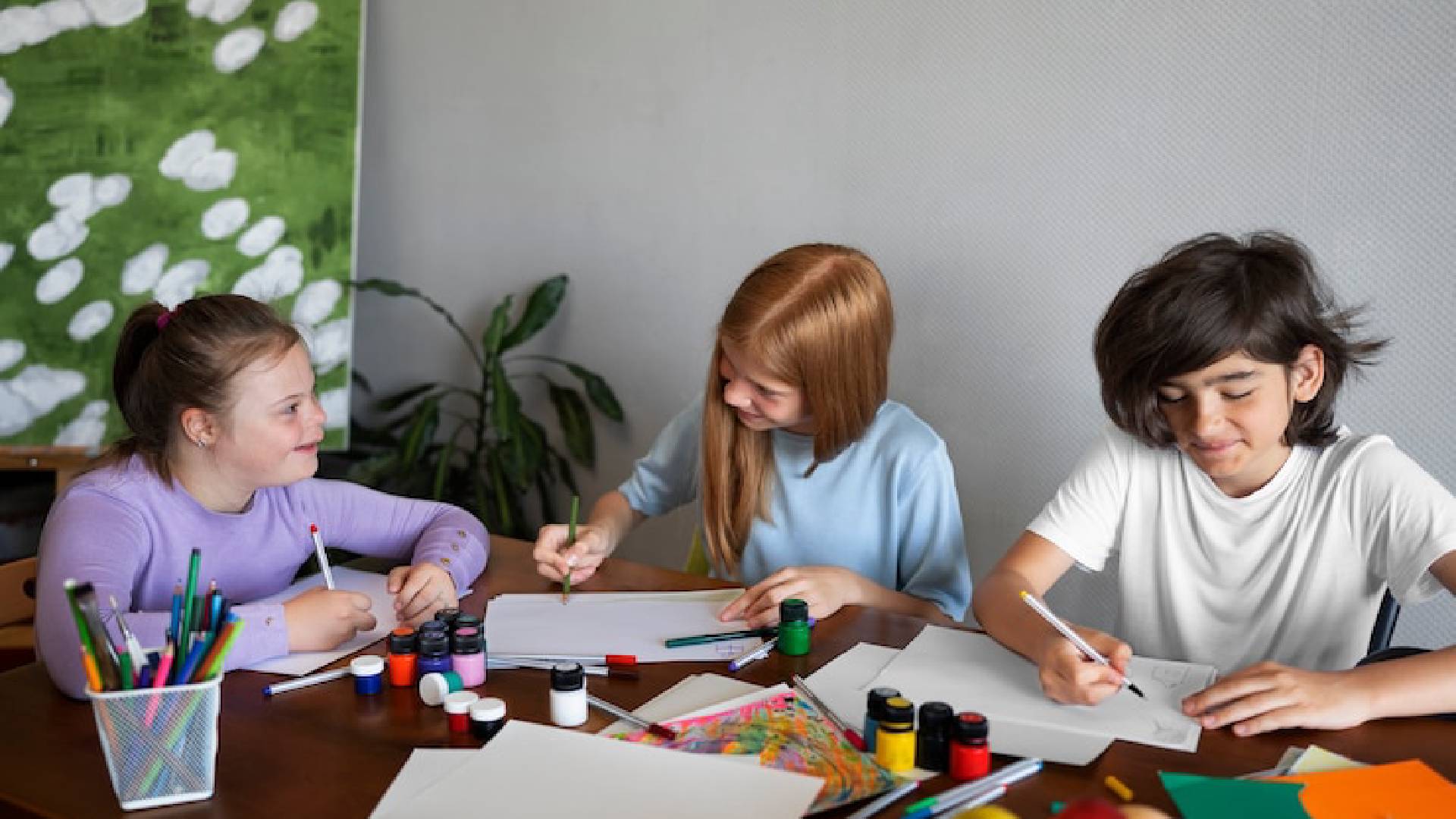
Early childhood is a pivotal time for laying the foundation of a child’s education. In this section, we’ll delve into the significance of early childhood education, the importance of instilling a love for learning, and the role of preschool in a child’s development.
The Importance of Early Childhood Education
- Critical Brain Development: The early years, from birth to age 5, are a period of rapid brain development. This is when the brain forms crucial neural connections that influence a child’s future cognitive abilities, social skills, and emotional well-being.
- Social and Emotional Growth: Early childhood education not only focuses on academic skills but also emphasizes social and emotional development. Children learn how to interact with peers, share, take turns, and manage their emotions.
- Preparation for School: Early childhood education, whether in formal preschool settings or through home-based activities, helps children become familiar with the routines and structure of school. This preparation can ease the transition to formal education later on.
- Language and Communication Skills: This stage is when children acquire language skills rapidly. Exposure to rich language environments and opportunities for communication are vital for building a strong foundation for literacy.
Building a Love for Learning
- Intrinsic Motivation: Encouraging a love for learning begins with nurturing a child’s intrinsic motivation. This means fostering a natural curiosity and an eagerness to explore the world.
- Exploration and Play: Young children learn best through play and exploration. Offer them opportunities for hands-on activities, creative play, and problem-solving to engage their natural sense of wonder.
- Positive Reinforcement: Recognize and praise a child’s efforts and accomplishments. Positive reinforcement enhances their self-esteem and motivates them to continue learning.
- Read Aloud: Reading to young children is one of the most effective ways to cultivate a love for learning. Books expose children to new ideas, expand their vocabulary, and fuel their imagination.
Preschool and Its Role in Development
- Structured Learning: Preschools provide a structured environment that introduces children to early academic concepts while still emphasizing play-based learning. This balance sets the stage for future education.
- Socialization: Interacting with peers in a preschool setting helps children develop important social skills, such as sharing, cooperating, and resolving conflicts.
- Independence: Preschool encourages independence and self-help skills. Children learn to dress themselves, follow routines, and manage their belongings.
- Cultural Awareness: Preschools often celebrate diversity and expose children to various cultures, fostering an appreciation for differences.
In conclusion, early learning in childhood is instrumental in shaping a child’s future. The importance of early childhood education lies in the critical period of brain development, social and emotional growth, and preparation for formal education. Building a love for learning starts at home through exploration, positive reinforcement, and early exposure to books. Preschool plays a vital role in providing a structured, social, and academic foundation for a child’s development. Cherish this formative time in a child’s life and provide a nurturing environment where learning is an exciting and natural part of their daily experiences.